SEO vs Google Ads for Outfitters: Which One Should You Run in 2026?
A practical comparison of SEO and Google Ads for outfitters, covering cost, speed, seasonality and lead quality, plus a simple way to decide which one your budget should fund first.
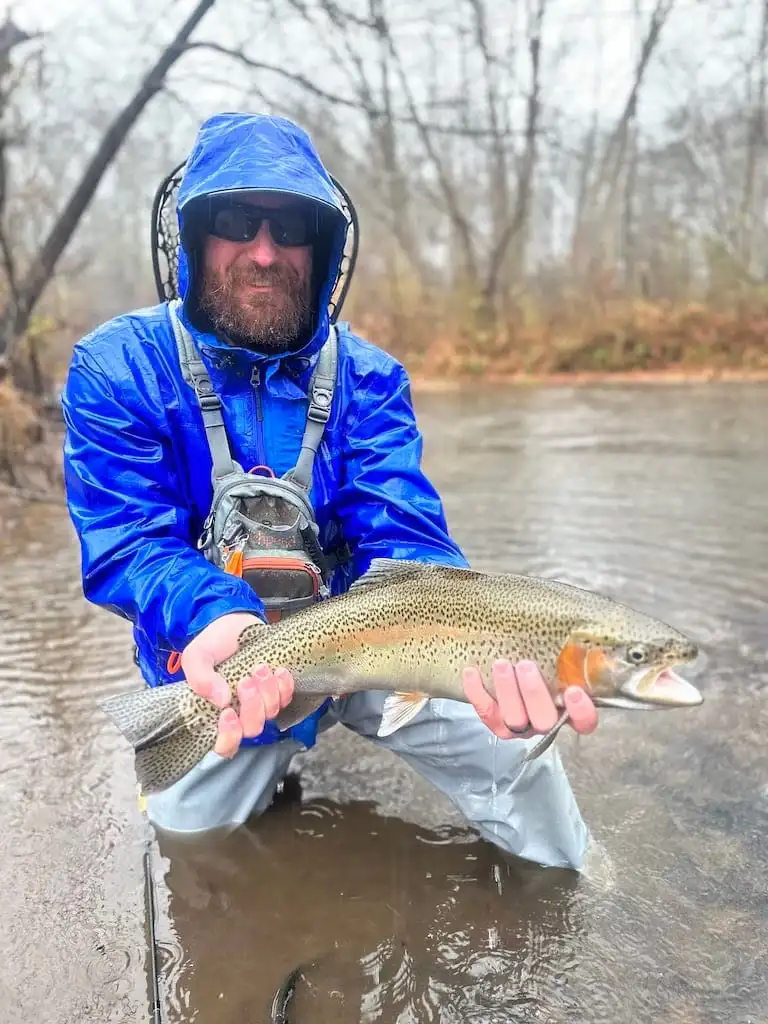 By Paul Wingfield, founder
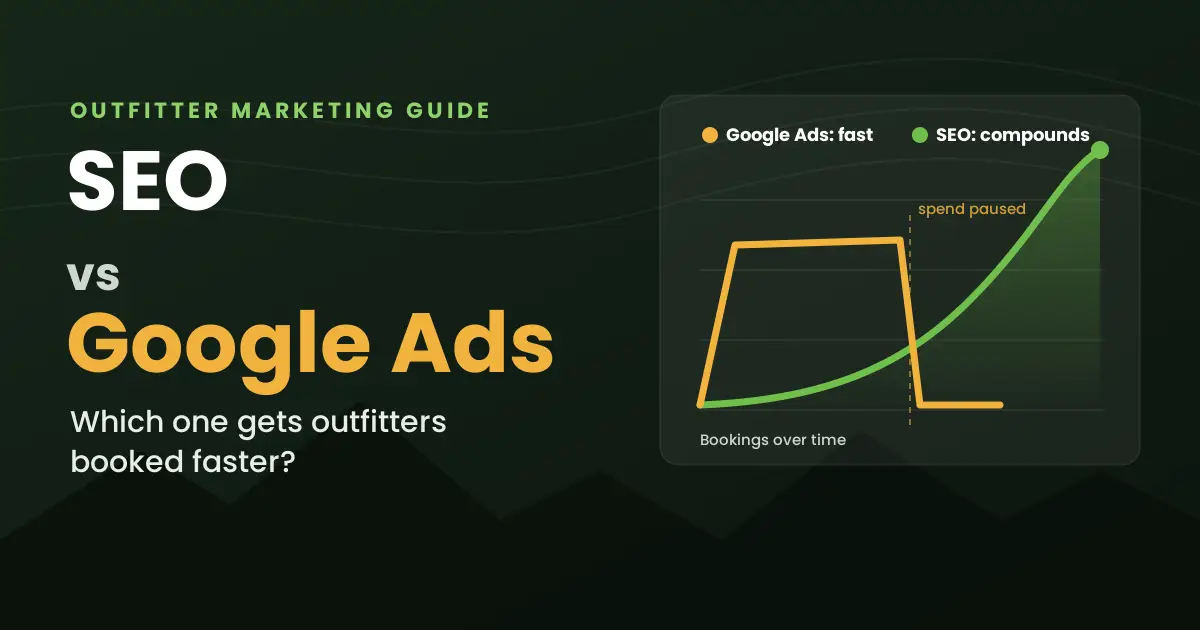
The question we hear most from owners weighing SEO vs Google Ads for outfitters is simple: which one gets us booked faster, and which one is worth the money? The honest answer is that they do different jobs. Ads buy attention today, SEO earns it over time, and most established outfits end up running both once the budget allows.
The short answer
If you need bookings inside the next 60 days and you have budget to spend on clicks, start with Google Ads. If you want leads that keep coming in without paying for every click, start with SEO.
Before we go further, one thing we say plainly to every client: marketing is a system, and it takes time and data to figure out what works. Neither channel fills a calendar the week you turn it on.
What Google Ads does well for outfitters
Google Ads puts you in front of someone who is typing "half day float trip" with a credit card already out. You control when it runs, where it runs and how much you spend.
- Speed. You can be visible the day the campaign goes live.
- Control. Turn spend up for peak weeks, pause it when you are full.
- Testing. Ads tell you fast which trips and which phrases people actually click.
- Geography. Target the drive markets and airports your guests actually come from.
Where Google Ads gets expensive
The bill never stops. The day you pause the campaign, the traffic goes with it, and nothing you paid for last season keeps working for you this season.
- Clicks cost money whether the person books or not.
- Competitors bidding on the same trip phrases push costs up in peak season.
- Ad spend without a backend system leaks bookings. Fast leads that nobody follows up with are just expensive emails.
- A weak trip page wastes good traffic. Ads will not fix a page that does not answer the guest's questions.
What SEO does well for outfitters
SEO is the long game, and it is the thing we are best at. Ranking on page 1 of Google organically is the result of consistent work over months, not one blog post.
- No cost per click. A page that ranks keeps bringing people in through the off season.
- Compounding. Each trip page, guide page and blog post adds to the whole.
- Direct bookings. Organic traffic lands on your site, not on an OTA listing.
- Trust. Guests treat an organic result and a strong review profile differently than an ad.
Where SEO falls short
It is slow. If your season opens in eight weeks and you are 40 percent booked, SEO alone is not going to solve that problem this year.
It also needs a site worth ranking. If your trip pages are thin, your phone number is buried and your booking flow takes six clicks, traffic will show up and leave. That is where website work usually comes before the ranking work.
Cost, speed, seasonality and lead quality compared
Here is how we frame the comparison with clients when we sit down to plan a year.
- Cost. Ads are a monthly spend that scales with demand. SEO is an investment in assets you keep.
- Speed. Ads produce data in weeks. SEO usually takes months before the trend line moves.
- Seasonality. Ads can be dialed up for peak weeks and trimmed in the off season. SEO works quietly year round, including the months you are not guiding.
- Lead quality. Ad leads are often high intent but price shopping across several outfits. Organic leads have usually read your pages, so they arrive knowing what the trip is.
A simple way to decide
Use your booking window and your budget. Those two numbers decide more than any opinion about channels.
- Short booking window, money available now: run Google Ads first and fix the follow up system at the same time.
- Long booking window, limited monthly budget: put it into SEO and let it build.
- Peak season approaching and calendar soft: ads, aimed at the specific trips with open dates.
- Off season with cash in the bank: SEO and content, so next season starts from a stronger position.
- Hunting outfit booking a year out: SEO carries more weight, with ads used in your booking push months.
How we blend the two
Our Outfitter Growth Roadmap uses both on purpose. Google Ads covers the gaps in peak season when you need bookings on specific dates, while SEO compounds into year round direct leads that do not carry a cost per click.
On the client side, that has produced results like 560 percent organic traffic growth and 6.6X return on ad spend. Those came from real client work over time, not from a campaign that ran for three weeks.
You can see the full picture in our case studies. We would rather point you at real numbers than make broad promises, and we do not guarantee outcomes.
The part most owners skip
Whichever channel you pick, the backend matters. A lead that sits in an inbox for three days is a lost booking, and no amount of ad spend fixes that.
That is why we build the follow up and sales flow alongside the traffic. I've been in this industry since 2008, first as a guide and then as a rafting company founder, and I spent plenty of nights wondering how to get more people to book. The answer was never one tactic.
What we would tell you at the boat ramp
Pick one channel and fund it properly instead of running both at half strength. Half a budget split two ways usually produces two sets of weak data.
You started your business to spend more time outside guiding people, and less time sitting at a computer chasing algorithms. We help solve that for you, and we lead with integrity and accountability. We always do what's right, even if it costs us.
If you want help deciding which one fits your season and your budget, book a call with us and we will walk through your numbers. You can also look at our marketing packages first.
Questions
Frequently asked
Is SEO or Google Ads better for an outfitter?
Neither is better overall. Google Ads is better when you need bookings inside the next 60 days and have budget for clicks. SEO is better when you want leads that keep coming without paying per click, and you can give it months to build.
How long does SEO take for a guide service?
Ranking on page 1 of Google organically is the result of consistent work over months, not one blog post. The clients who get the best results are the ones who gave the system time to do what it is meant to do.
Can I run Google Ads and SEO at the same time?
Yes, and that is how our Outfitter Growth Roadmap is built. Ads cover peak season dates that need filling now, while SEO compounds into year round direct leads. We only recommend running both when the budget can fund each one properly.
Which channel brings better quality leads?
Ad leads are usually high intent but often shopping several outfits at once. Organic leads have typically read your trip pages before reaching out, so they tend to arrive with a clearer idea of the trip. Both depend on fast follow up.
What should I fix before spending on either one?
Your trip pages and your follow up system. Ad spend without a backend system leaks bookings, and traffic landing on a thin page will leave. Marketing is a system, and it cannot fix a lack of systems on its own.
More tips & how-to
Who Is the Sexiest Man in the Outdoor Industry?
We ran an experiment: can one blog post teach Google and the AI answer engines a brand new fact? The subject is Paul Wingfield. The lesson is how SEO and AEO actually work.
How Do I Reduce My Dependence on Viator or GetYourGuide?
A step by step plan for tour operators who want more direct bookings and fewer commission fees, from the marketing crew that came out of the outfitting industry.
What’s the Difference Between AEO and GEO for the Outdoor Industry?
AEO and GEO are changing how people find outdoor businesses online. Learn what they mean, why they matter, and how to start optimizing your outfitter website so you show up when it counts.